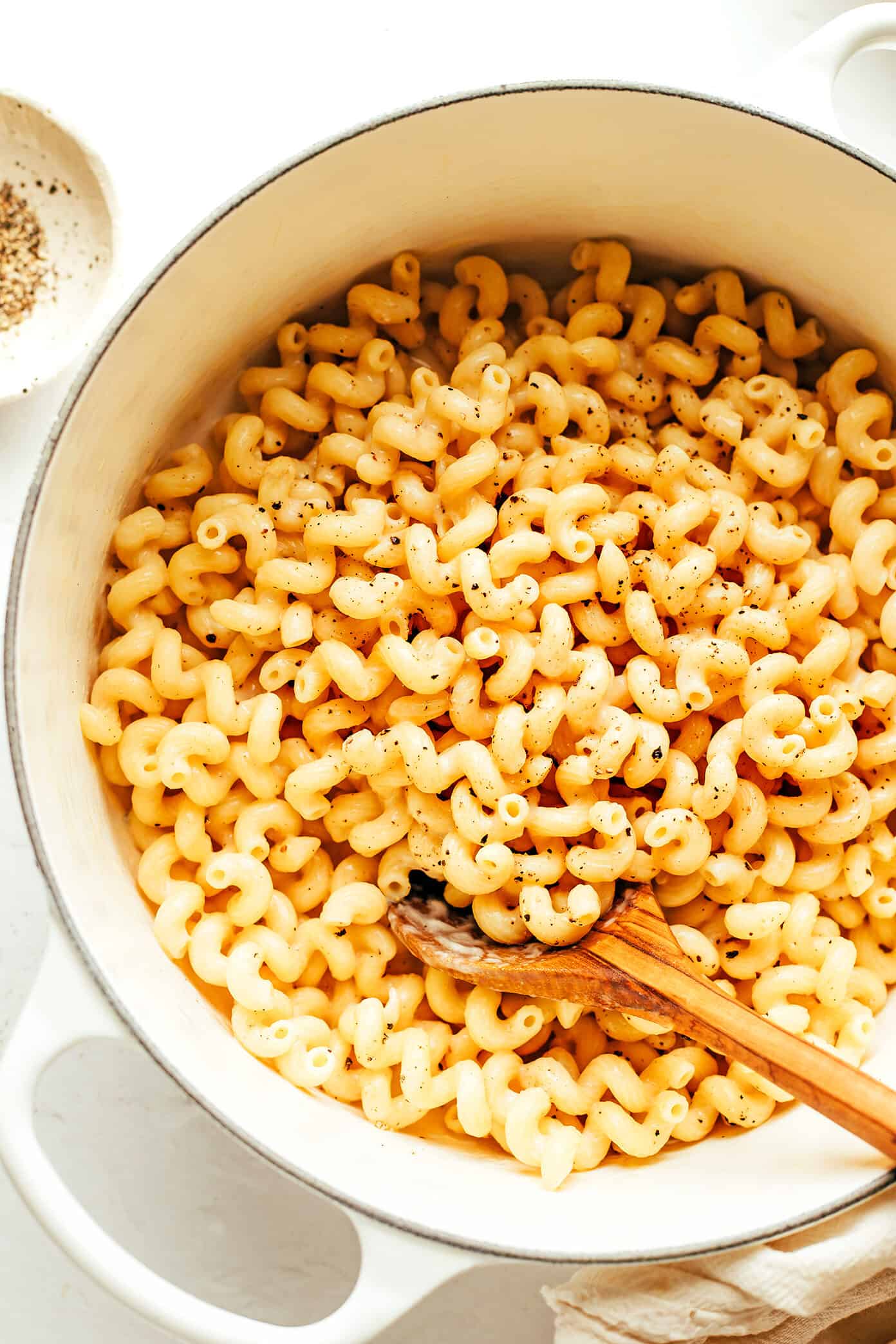
Mastering One-Pot Mac and Cheese: The Secret to Unrivaled Creaminess, No Roux Required
Imagine a pot of mac and cheese so utterly creamy, so luxuriously silky, it rivals your favorite restaurant dish – all achieved in a single pot, with minimal fuss, and without the dreaded roux. Sounds like a dream, right? For many home cooks, the traditional mac and cheese recipe, while delicious, often involves multiple pots, painstaking roux creation, and a fair bit of cleanup. But what if we told you there’s a simpler, faster, and equally (if not more) delicious way? Welcome to the world of one-pot mac and cheese, where achieving that perfect, velvety sauce is not only possible but surprisingly easy.
This isn't just about convenience; it's about a smarter approach to sauce-making that harnesses the natural power of humble ingredients. Forget the flour and butter paste; we're diving into techniques inspired by classic Italian pasta dishes and smart dairy choices that deliver an emulsified, rich, and gooey experience every single time. Get ready to transform your weeknight meals and impress your taste buds with a creamy, quick, and one-pot easy mac and cheese that will quickly become your new go-to.
The Science of Silk: Unlocking the One-Pot Secret
The magic behind truly silky, no-roux mac and cheese lies in understanding two key components: pasta starch and evaporated milk. This innovative approach takes inspiration from dishes like the Roman cacio e pepe, where cooking pasta in a small amount of water creates a highly concentrated starchy liquid. This starch is the unsung hero, acting as a natural emulsifier, binding the cheese and liquid into a cohesive, velvety sauce.
When you boil pasta in ample water, much of that precious starch goes down the drain. In our one-pot method, we cook the macaroni in just enough cold water to cover it. As the pasta cooks, it releases its starch directly into this minimal liquid, creating a thick, starchy broth. This concentrated starch is crucial; without it, cheese sauces can break, turning tough and greasy rather than smooth and luxurious.
But starch alone isn't the whole story. The second powerhouse ingredient is evaporated milk. Unlike regular milk, evaporated milk is a highly concentrated source of milk protein micelles. These bundles of proteins are powerful emulsifying agents. They love to surround tiny fat globules (from the cheese) and water molecules, preventing them from separating and ensuring your sauce remains incredibly stable, smooth, and, yes, silky. This combination of concentrated pasta starch and the unique proteins in evaporated milk creates an ideal environment for a perfectly emulsified, dreamily creamy mac and cheese sauce, all in one pot.
Why Evaporated Milk Trumps Regular Milk for Creaminess
You might wonder why not just use regular milk? While some one-pot mac and cheese recipes call for cooking pasta directly in milk, it comes with a significant caveat: scorching. Milk solids are prone to burning at the bottom of the pot if not stirred constantly and carefully. Evaporated milk, due to its altered composition and concentrated nature, is far more forgiving and effective at achieving that elusive creamy texture without the constant vigilance or risk of a burnt mess. It’s a game-changer for stovetop mac and cheese.
Crafting Your Silky Smooth Mac and Cheese: Key Steps & Ingredients
This no-roux, one-pot method simplifies the process dramatically, making a delicious, homemade mac and cheese accessible any night of the week. Here’s a breakdown of the essential elements:
- The Pasta: Macaroni elbows are classic, but small shells, ditalini, or even penne can work. The key is small, sturdy shapes that hold the sauce well.
- Minimal Water: Place your dry pasta in a pot. Add just enough cold water to cover the pasta, by about half an inch. A pinch of salt is good here too. Bring it to a boil and cook, stirring frequently, until the water is almost absorbed and the pasta is just shy of al dente. This typically takes about 6-8 minutes, depending on the pasta. The frequent stirring prevents sticking and ensures even cooking.
- The Evaporated Milk: Once the water is mostly absorbed and the pasta is nearly cooked, it’s time to introduce the evaporated milk. This is where the magic really begins.
- The Cheese Factor: For ultimate silkiness and flavor, a blend is always best. Sharp cheddar provides classic flavor, while a good melting cheese like Fontina, Gruyère, Monterey Jack, or even some cream cheese can enhance the texture and melt beautifully.
- Cheddar: The backbone of most mac and cheese, offering that familiar tang and color. For superior melting, choose a block of good quality cheddar and grate it yourself. Pre-shredded cheeses often contain anti-caking agents that can hinder smooth melting.
- Monterey Jack or Fontina: These add incredible stretch and mild, buttery notes.
- Cream Cheese: A small amount of full-fat cream cheese can contribute a luxurious tang and an extra layer of velvety smoothness, as highlighted in some recipes.
- Grate Your Own: Seriously, this makes a difference. Freshly grated cheese melts faster and integrates into the sauce more smoothly, without a grainy texture.
- The Ratio (A Good Starting Point): For two generous servings, think in "sixes" as a guide: approximately six ounces of dry pasta, six ounces of evaporated milk, and six ounces of freshly grated cheese. You can easily scale this up for larger batches.
- The Final Stir: Once the evaporated milk and cheese are added to the pot with the pasta and starchy water, stir continuously over medium-low heat. The residual heat from the pasta and liquid, combined with the emulsifying agents, will melt the cheese into a glorious, smooth, and creamy sauce within minutes. Keep stirring until everything is fully incorporated and the sauce is lusciously thick.
This streamlined process truly embodies the spirit of a 3-ingredient, 10-minute stovetop mac and cheese that delivers on both flavor and convenience.
Beyond the Basics: Tips for Customization and Perfection
While the core recipe is simple and delicious, don't hesitate to make it your own. This one-pot wonder is incredibly versatile:
- Flavor Boosters: A teaspoon of dry mustard powder (it enhances cheese flavor without tasting like mustard), a dash of garlic powder, onion powder, or a pinch of smoked paprika can elevate the taste profile significantly. A tiny splash of hot sauce adds a subtle kick.
- Amp Up the Cheese: Don't be afraid to experiment with other melting cheeses like smoked Gouda for depth, a touch of Parmesan for umami, or even blue cheese for a bolder flavor.
- Mix-Ins for Substance: Turn your mac and cheese into a full meal by stirring in cooked ingredients like crispy bacon bits, diced ham, shredded rotisserie chicken, sautéed mushrooms, or steamed broccoli florets during the final stages of cooking.
- Textural Toppings: While the sauce is the star, a crunchy topping provides a delightful contrast. Crushed Ritz crackers (a classic choice), toasted breadcrumbs mixed with a pat of butter, or even a sprinkle of chopped fresh chives or parsley add an extra layer of appeal.
Troubleshooting Your One-Pot Masterpiece
Even with the best intentions, cooking can sometimes throw curveballs. Here’s how to handle common issues:
- Sauce Too Thick? If your mac and cheese sauce becomes too thick or sets up quickly (which can happen as it cools), simply add a splash of warm water or a little extra evaporated milk and stir vigorously over low heat until it reaches your desired consistency.
- Sauce Not Thickening? If your sauce seems too thin, cook it gently for another minute or two, stirring constantly, to allow the starch to fully activate and the cheese to integrate further.
- Gooey, Not Greasy: The minimal water and evaporated milk method is designed to prevent a greasy sauce. Ensure you're using freshly grated cheese and stirring well for the best results.
Why Ditch the Roux? The One-Pot Advantage
The biggest sell of this one-pot approach is undeniably the sheer convenience. Ditching the roux means:
- Less Cleanup: One pot from start to finish. Enough said.
- Faster Prep: No need to whisk flour and butter for minutes, then slowly add milk. The process is streamlined, cutting down on active cooking time.
- Lighter Texture: Roux-based sauces can sometimes feel heavy or overly thick. This method yields a sauce that's rich and coating but still feels wonderfully light and velvety on the palate.
- Accessible Ingredients: Pasta, water, evaporated milk, and cheese are staples in most pantries, meaning a comforting meal is always within reach.
Conclusion
Say goodbye to complicated recipes and multiple dirty pots. This one-pot, no-roux mac and cheese method is a revelation for anyone seeking convenience without sacrificing flavor or texture. By understanding the simple science behind pasta starch and the emulsifying power of evaporated milk, you can create a mac and cheese recipe that is effortlessly silky, incredibly creamy, and bursting with cheesy goodness. It's quick enough for a weeknight, impressive enough for guests, and guaranteed to become a beloved staple in your culinary repertoire. So go ahead, grab your pot, and prepare to be amazed by the ultimate easy, cheesy comfort food.
